ADVERTISEMENT
The Alchemy of Emulsion: A Definitive Treatise on Keto Ranch Dressing
Introduction: The Cultural and Culinary Significance of Ranch Dressing
In the vast pantheon of American culinary creations, ranch dressing occupies a unique and hallowed space. Born not in the test kitchens of a major corporation, but on the remote Alaskan frontier in the 1950s, ranch has evolved from a secret recipe served at a guest ranch to the undisputed king of condiments, accounting for over 40% of all salad dressing sales in the United States. Its popularity transcends the salad bowl, serving as a dip, a spread, a marinade, and a ubiquitous cultural touchstone. However, for those adhering to a ketogenic lifestyle—a dietary paradigm focused on high fat, moderate protein, and minimal carbohydrates—the store-bought version presents a dilemma. Hidden sugars, industrial seed oils, stabilizers, and preservatives lurk in most commercial varieties, turning a seemingly innocent condiment into a potential catalyst for metabolic disruption.
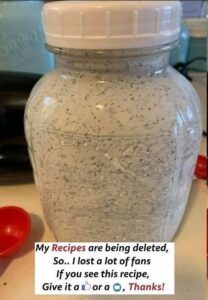
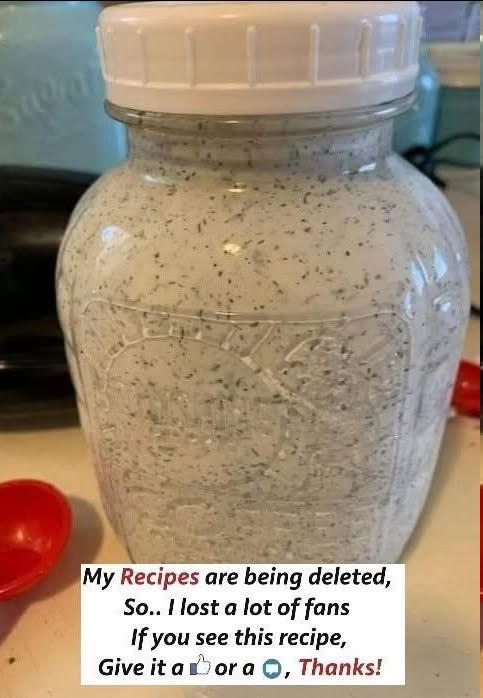
This treatise is dedicated to the art and science of crafting the perfect keto ranch dressing. More than a simple recipe, this is an exploration into the culinary physics of emulsion, the botany of herbs, the microbiology of fermentation, and the philosophy of flavor layering. We will deconstruct each component, examine the chemical interactions at play, and provide a masterclass in technique that yields not just a condiment, but a versatile culinary cornerstone that can transform your keto culinary repertoire. The recipe provided is not merely a list of ingredients and steps; it is a foundational algorithm, a starting point for a lifetime of creamy, herbaceous, and deeply satisfying creations.
ADVERTISEMENT
Chapter 1: The Foundation – Understanding the Ketogenic Context
The ketogenic diet operates on a fundamental metabolic principle: by severely restricting carbohydrate intake (typically to 20-50 grams per day), the body is forced to shift its primary fuel source from glucose to ketone bodies, produced by the liver from stored and dietary fat. This state of nutritional ketosis is associated with stabilized energy, reduced inflammation, and for many, significant weight loss.
Within this framework, every gram of carbohydrate is a precious commodity to be spent on nutrient-dense vegetables, not on hidden sugars in processed foods. A single tablespoon of leading commercial ranch dressing can contain 2-3 grams of carbohydrates, primarily from sugar and starch-based thickeners. Our homemade version, by meticulous ingredient selection, reduces this to a negligible 0.5 grams per serving, ensuring the dressing supports, rather than sabotages, your metabolic goals. Furthermore, we seize control over fat quality, opting for sources rich in beneficial monounsaturated and saturated fats, which are the very engines of the ketogenic metabolic state.
Chapter 2: Deconstructing the Emulsion – The Physics of Creaminess
At its core, ranch dressing is a stable emulsion—a harmonious suspension of two liquids that normally repel each other: water and fat. In our recipe, the water phase is comprised of the moisture in the sour cream and the water-soluble compounds in the herbs and spices. The fat phase is the oil in the mayonnaise. An emulsion is inherently unstable; left alone, it will “break,” separating back into its constituent parts. Our goal is to create a temporary, creamy suspension so delightful that it is consumed long before it has a chance to separate.
The Role of Each Emulsifying Agent:
Mayonnaise: Mayonnaise is itself a pre-made emulsion, typically of oil, egg yolk, and an acid (like vinegar or lemon juice). The egg yolk contains a powerful emulsifier called lecithin, whose molecules have one end that bonds with water and another that bonds with fat, acting as a mediator to hold the emulsion together. By starting with mayonnaise, we are building upon an already stable foundation.
Sour Cream: Sour cream contributes to emulsion stability in two ways. First, its thick, cultured texture provides viscosity, slowing down the movement of fat droplets and making it harder for them to coalesce and separate. Second, the lactic acid and proteins from the fermentation process act as additional emulsifiers and flavor enhancers.
The Whisking Technique: The initial whisking is not merely about mixing; it is about mechanical action. The vigorous motion breaks the fat (from the mayo) into microscopically tiny droplets and disperses them evenly throughout the water-based sour cream. The more uniform and fine the dispersion, the more stable and creamy the final dressing will be. A slow, lazy stir will yield a grainy, unstable product.
Chapter 3: The Botanical Symphony – A Deep Dive into the Herb and Spice Matrix
The soul of ranch dressing lies in its distinctive herbal profile. Using dried herbs is not a compromise here; it is a strategic choice. Dried herbs have concentrated, stable flavors that infuse consistently into the fatty base and are not subject to the wilting and enzymatic degradation that can affect fresh herbs in a dairy-based dressing over several days. Let us examine each botanical contributor.
Dried Chives (Allium schoenoprasum): Chives provide a delicate, onion-like aroma without the pungent bite of raw onion. The drying process concentrates their savory, slightly sweet allicin compounds. When rehydrated in the dressing’s moisture, they release a slow, steady onion essence that permeates the entire blend.
Dried Parsley (Petroselinum crispum): Often dismissed as a mere garnish, parsley is the “green” backbone of the flavor profile. It offers a clean, slightly bitter, chlorophyll-rich note that cuts through the richness of the dairy and provides the dressing’s characteristic “herbal” foundation. Flat-leaf (Italian) parsley is typically dried for its stronger flavor.
Dried Dill Weed (Anethum graveolens) – The Optional Maestro: This is the ingredient that defines “American” ranch versus a more traditional buttermilk-style ranch. Dill contributes a bright, tangy, anise-like top note that is immediately recognizable. Its inclusion is a matter of personal preference and regional tradition. Omitting it yields a more savory, onion-and-garlic forward profile, while including it creates the classic, multi-layered ranch experience.
Garlic Powder (Allium sativum): Garlic powder is the workhorse of the spice blend. Unlike fresh garlic, which can ferment and develop off-flavors or a harsh bite in a dairy medium, garlic powder offers a consistent, mellow, and sweet garlicky depth. It dissolves almost completely, ensuring every molecule of dressing carries its essence.
Onion Powder (Allium cepa): Onion powder performs a similar function to garlic powder but contributes a different dimension of the Allium genus—sweeter, less pungent, and more rounded. Together with garlic powder and chives, it creates a trinity of alliaceous flavor that is foundational.
Salt (Sodium Chloride): Salt is not just a seasoning; it is a flavor potentiator. At a molecular level, salt suppresses bitterness and enhances sweet, sour, and umami perceptions. In an emulsion, salt also helps stabilize protein structures. The small quantity (⅛ teaspoon) is precisely calibrated to season without overpowering, allowing the herbs to shine.
Ground Black Pepper (Piper nigrum): Pepper provides the essential, subtle heat and aromatic complexity. The compound piperine is responsible for its spiciness and also enhances the bioavailability of other nutrients. Freshly ground pepper, with its volatile oils intact, is vastly superior to pre-ground.
Chapter 4: Ingredient Sourcing and Selection – The Pursuit of Quality
The simplicity of this recipe means each ingredient’s quality is paramount. There is nowhere for inferior components to hide.
Mayonnaise: This is the most critical choice. Avoid mayonnaises made with industrial seed oils (soybean, canola, sunflower, safflower). These oils are often highly processed, high in inflammatory omega-6 fatty acids, and unstable. Seek out or make mayonnaise with:Crafts
Avocado Oil: Neutral flavor, high smoke point, rich in monounsaturated fats.
Extra-Light Olive Oil: Not extra-virgin, which is too bitter. Light olive oil provides a clean, healthy fat base.
Macadamia Nut Oil: A luxurious, buttery option rich in monounsaturated fats.
NEXT PAGE
See more on the next page to continue reading →
ADVERTISEMENT