
ADVERTISEMENT
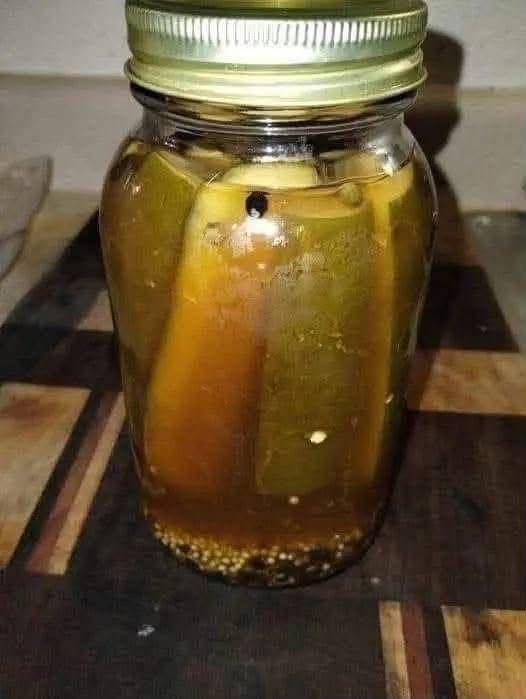
Homemade Pickles in a Mason Jar: Crunchy, Tangy, and Timeless
Pickles are one of the world’s most beloved condiments. Whether you’re enjoying them on a burger, snacking on them straight from the jar, or serving them alongside a sandwich, their tangy crunch never fails to brighten a meal. For centuries, pickling has been a way to preserve cucumbers and other vegetables, creating flavors that are both practical and delicious.
One of the most satisfying kitchen projects is making homemade pickles. With just a few simple ingredients — cucumbers, vinegar, water, salt, and spices — you can create a jar of pickles that tastes fresher, crisper, and more customizable than anything you’ll find in a store. Stored in a mason jar, they also carry a rustic charm that connects you to a long tradition of home preserving.
ADVERTISEMENT
In this article, we’ll dive into everything you need to know about homemade pickles. From the history and cultural significance of pickling to recipes, variations, storage tips, and creative ways to enjoy them, this guide will help you master the art of turning cucumbers into tangy, crunchy delights.
The History of Pickling
Pickling is one of the oldest forms of food preservation, dating back more than 4,000 years. The process originated in India and Mesopotamia, where cucumbers were first preserved in brine. Ancient Egyptians, Greeks, and Romans also embraced pickles, valuing them both as a way to extend shelf life and as a source of flavor.
In Europe, pickling became an essential preservation method during the winter months, when fresh produce was scarce. Colonists carried the tradition to the Americas, where pickles became a staple of homestead kitchens. Today, from Polish dill pickles to Japanese tsukemono and Korean kimchi, cultures around the globe have their own unique take on pickling.
Ingredients for Homemade Pickles
While recipes vary, most pickle brines are built on a foundation of these ingredients:
Cucumbers: Pickling cucumbers are best because of their size and firm texture.
Vinegar: Distilled white vinegar, apple cider vinegar, or rice vinegar for acidity.
Water: Dilutes the vinegar for balance.
Salt: Non-iodized salt (such as kosher salt or pickling salt) prevents cloudiness.
Sugar: Optional, adds sweetness (especially in bread-and-butter pickles).
Spices: Dill seeds, mustard seeds, coriander seeds, peppercorns, garlic, or chili flakes.
Optional add-ins include onions, carrots, jalapeños, or herbs like fresh dill.
Step-by-Step Recipe for Classic Dill Pickles
See more on the next page to continue reading →
ADVERTISEMENT