
ADVERTISEMENT
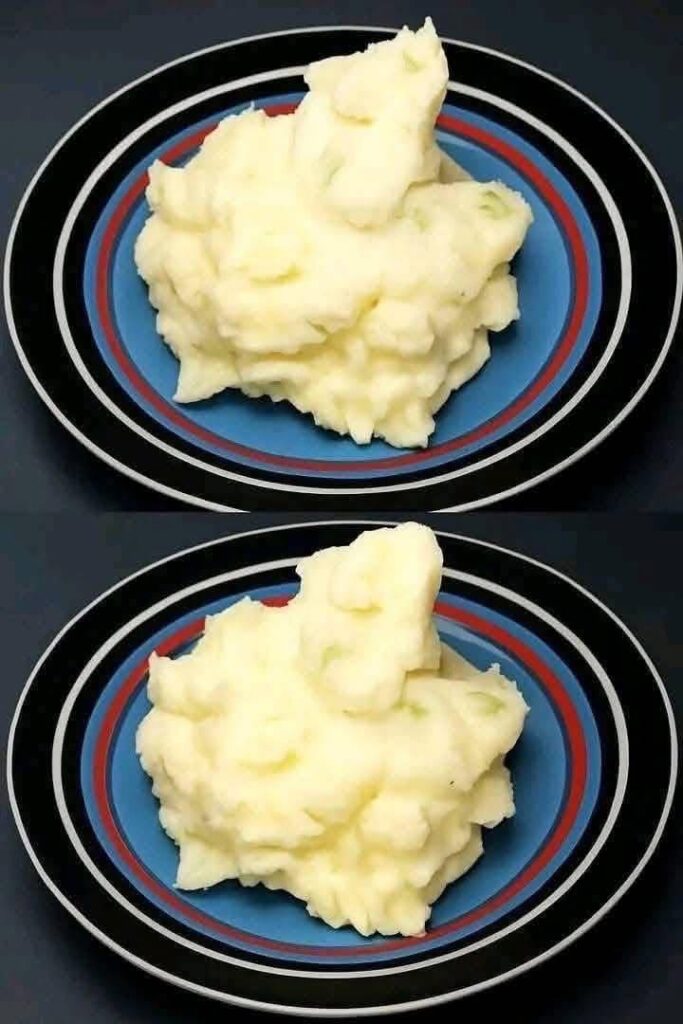
The type of potato you choose is crucial for perfect mashed potatoes. Russet potatoes are high in starch and low in moisture, making them incredibly fluffy when mashed. Yukon Golds are a great all-purpose potato, offering a buttery flavor and creamy texture. Avoid waxy potatoes like red or new potatoes, as they tend to become gummy when mashed. For an extra layer of flavor, consider roasting the garlic cloves whole with a drizzle of olive oil before adding them to the milk and potatoes. This mellows the garlic flavor and adds a sweet, nutty note. If you don’t have whole milk, you can use a combination of half-and-half and a little water, but whole milk truly provides the best richness. For a slightly tangy flavor, a tablespoon or two of cream cheese or sour cream can be folded in at the end. To make these mashed potatoes even more indulgent, consider browning the butter before adding it. Simply melt the butter in a separate pan over medium heat, swirling occasionally, until it turns a nutty brown and smells fragrant. Strain out any solids and add the browned butter to your mashed potatoes. For a dairy-free option, you can experiment with plant-based milks like unsweetened oat milk or cashew milk, along with a high-quality plant-based butter. However, the richness and flavor will be different from the traditional dairy version. Don’t over-mash your potatoes! Over-mashing can break down the starch cells too much, leading to a gluey, unappetizing texture. Mash just enough until smooth. A potato ricer is excellent for achieving a lump-free, fluffy texture without overworking the potatoes. Always add butter and cream when they are at room temperature or slightly warmed. Cold ingredients can cool down your potatoes too quickly and make them harder to incorporate smoothly. Warming the cream slightly before adding helps maintain the temperature of the mashed potatoes and ensures a silkier texture. Taste and adjust seasoning generously. Potatoes absorb a lot of salt, so don’t be shy. A little extra salt can bring out all the beautiful flavors. Freshly ground black pepper is always superior to pre-ground. For an herbal twist, finely chopped rosemary or thyme can be added along with the chives. For a cheesy variation, fold in some grated Parmesan, Gruyere, or white cheddar cheese at the end until melted and smooth. This adds a wonderful savory depth. If you want a hint of spice, a tiny pinch of cayenne pepper can be a surprisingly good addition, enhancing the flavor without making it overtly spicy. Remember, the key to great mashed potatoes is patience and attention to detail. Don’t rush the cooking process, and enjoy the journey to potato perfection.
Storage and Reheating
To store leftover mashed potatoes, allow them to cool completely to room temperature. Transfer them to an airtight container and refrigerate for up to 3-4 days. It is crucial to cool them quickly to prevent bacterial growth. For longer storage, mashed potatoes can be frozen. Spread the cooled mashed potatoes in a single layer on a baking sheet and freeze until solid. Once frozen, transfer the individual portions to a freezer-safe bag or container, removing as much air as possible. They can be stored in the freezer for up to 2-3 months. Thaw frozen mashed potatoes in the refrigerator overnight before reheating.
When reheating, the goal is to restore their creamy texture without drying them out. For small portions, the microwave is convenient. Place the mashed potatoes in a microwave-safe dish, add a splash of milk or cream, and stir. Heat in 1-minute intervals, stirring in between, until heated through. For larger quantities, the stovetop method is best. Transfer the mashed potatoes to a heavy-bottomed pot or saucepan. Add a generous splash of milk, cream, or even chicken broth. Heat over low to medium-low heat, stirring frequently, until warmed through and creamy. Avoid high heat, which can cause them to stick and burn. You may need to add more liquid as they reheat to achieve the desired consistency. Another excellent method, especially for holiday leftovers, is to reheat them in the oven. Place the mashed potatoes in an oven-safe dish, add a few pats of butter and a splash of milk or cream on top, and cover tightly with foil. Bake at 300-325°F (150-160°C) for 20-30 minutes, or until heated through. Stir well before serving. If they seem a bit dry, incorporate more warm milk or cream. Avoid reheating mashed potatoes multiple times, as the quality will diminish with each reheat.
ADVERTISEMENT
Frequently Asked Questions
Why do my mashed potatoes sometimes turn out gluey?
Gluey mashed potatoes are usually a result of overworking the starches. When potatoes are mashed too vigorously, especially with a food processor or blender, the starch cells break down excessively, releasing too much starch and creating a gummy, glue-like texture. To avoid this, use a potato masher, ricer, or food mill, and mash just until smooth, stopping as soon as the desired consistency is reached.
Can I make these mashed potatoes ahead of time?
Yes, you can make these mashed potatoes a few hours ahead of time, or even the day before. Prepare them as directed, then let them cool completely. Store them in an airtight container in the refrigerator. When ready to serve, reheat them gently on the stovetop or in the oven, adding extra milk, cream, or butter as needed to restore their creamy consistency. Reheating them slowly and adding moisture is key to maintaining their quality.
What’s the best type of potato for mashing?
For the fluffiest and creamiest mashed potatoes, high-starch, low-moisture potatoes are best. Russet potatoes (also known as Idaho potatoes) are an excellent choice, yielding a light and fluffy texture. Yukon Gold potatoes are another fantastic option, offering a naturally buttery flavor and a slightly denser, creamier mash. Avoid waxy varieties like red or new potatoes, as they tend to become gummy when mashed due to their lower starch content.
Is it really necessary to peel the potatoes?
While peeling potatoes is traditional for classic smooth mashed potatoes, it’s not strictly necessary. For a more rustic, wholesome version, you can leave the skins on, especially if using thin-skinned potatoes like Yukon Golds. Just be sure to scrub them very well before cooking. Leaving the skins on adds fiber, nutrients, and a slightly different texture and flavor profile, which some people enjoy. However, for the silkiest, most traditional mashed potatoes, peeling is recommended.
ADVERTISEMENT